
Science Highlights
Research conducted and supported by PSC computational resources, educational programs, and staff expertise
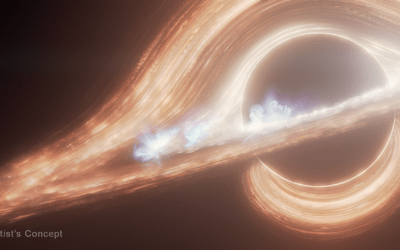
Simulated Black Holes Gobble and Push to Guide Early Universe
Incorporating Black Holes in 2005 Helped 14-Billion-Year Simulation Mirror Real Universe
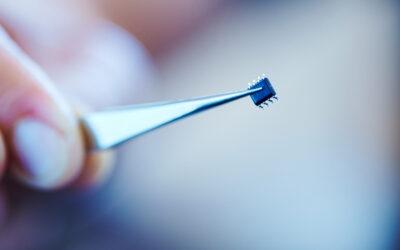
New Metallic Material Promises Quantum Leap in Heat Transfer, Smaller Devices
Record-setting Thermal Conductivity Improves on Metals’ Electron-Based Conductivity, Helping Smaller Devices Dump Heat

Revolutionary Insight: How Protein Blocks Acid to Stabilize Cells
2002 Simulation of Aquaporin Protein Showed How Cells Maintain Balance Needed for Healthy Functions
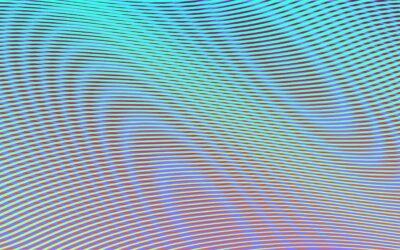
Bridges-2 Computations Verify Weird Rules for Moiré Materials
Wigner Crystals’ Behavior Charted and Compared with Theory, Providing New Tool for Studying Possible Electronics Components

Warning Time for Violent Storms Expanded by 1995 Simulations
PSC’s Cray T3D Stretched Warning from Half an Hour to Six Hours, Fine Tuning Prediction to Cover Local Storms

New AI Learns Airport Safety Rules, Helps Avert Devastating Collisions
World2Rules Uses Robotics Institute’s Amelia-42 Dataset to Learn Rules for Identifying Collision Risks that Humans Can Understand
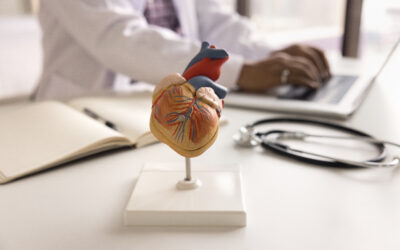
PSC’s Mario Powered First Computer Simulation of the Heart
Early Access on CRAY C90 in 1993 Ironed Out Problems in Early Heart Model

Triage Robots May Help Wounded People in Mass Casualties
CMU Team Responds to $7-Million DARPA Challenge with Robot-Human Team, Guided by AI
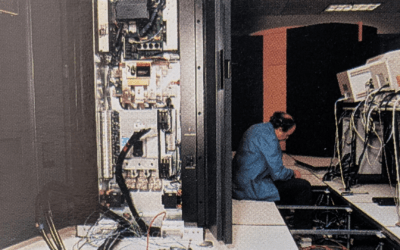
First Link Between Supercomputers Tackled Real-World Problems
1991 Union of PSC’s CRAY Y-MP and Connection Machine-2 Pioneered Heterogeneous Supercomputing, a Fundamental Approach Today
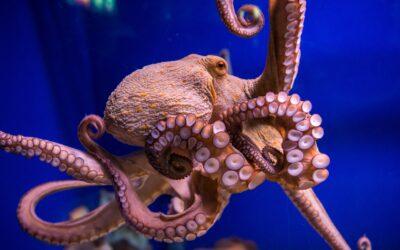
Octopus Simulation Surprise Sheds Light on Soft Robot Tech
Virtual Octopus Arm Shows Complex Movements Can Be Governed by Surprisingly Simple Programming