
Neocortex User Webinar Series
March 5, March 26, April 23, 2026

The Neocortex User Webinar Series highlights real user projects, stories, and research running on Neocortex. The goals of the series are to:
- Showcase successful Neocortex use cases and workflows
- Foster community engagement among current and prospective users
- Inspire broader and more effective usage of Neocortex
- Set realistic expectations by focusing on what has been shown to work well on the CS‑3 system
Next Webinar:
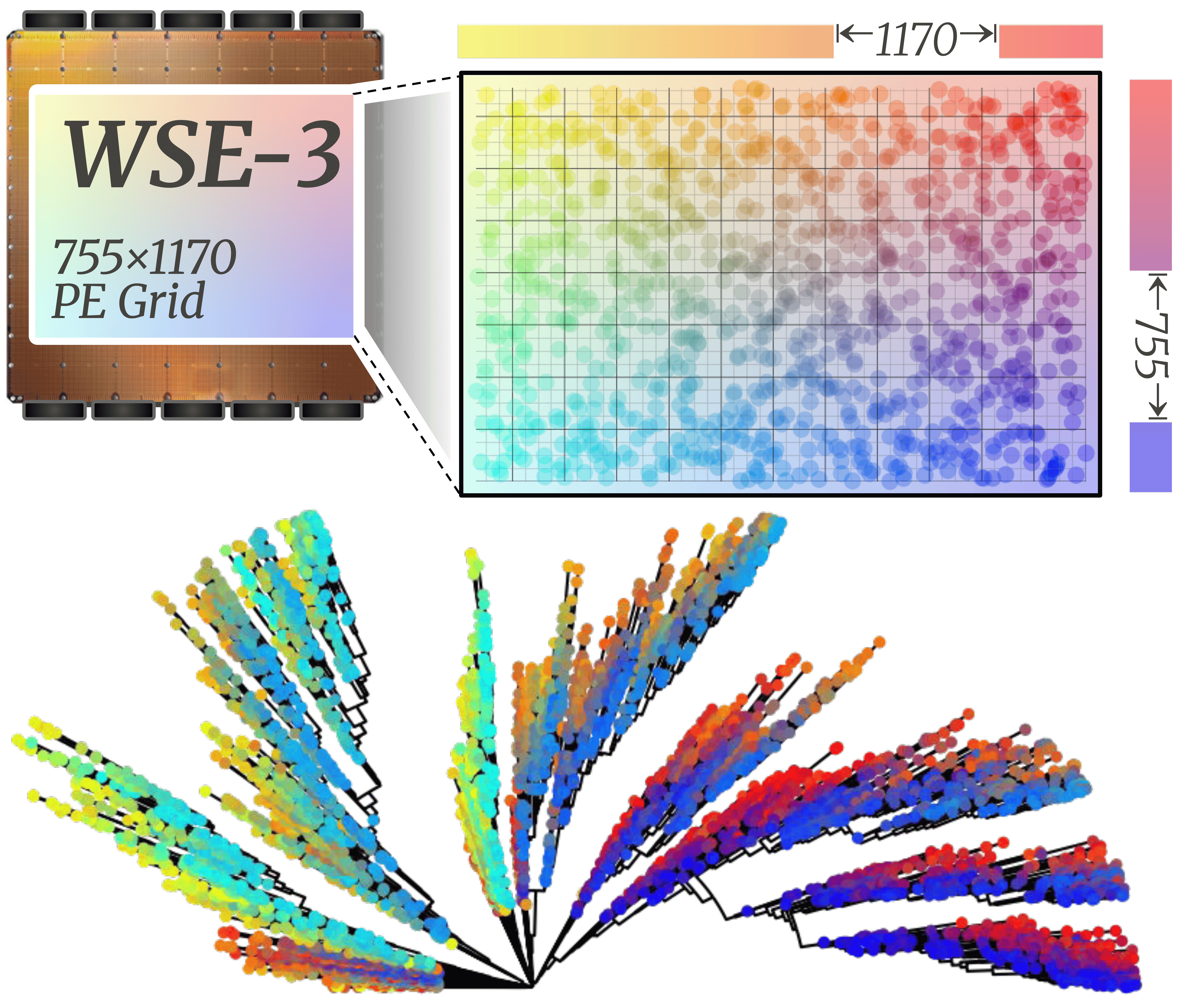
Sampling- and Estimation-based Strategies for Data Collection in Wafer-Scale Evolution Simulations
April Webinar – Details forthcoming
May Webinar – Details forthcoming
Training
Neocortex Office Hours
Wednesdays, 2-3 EST and by appointment. Learn more
Contact us
Email us at neocortex@psc.edu
Newsletter sign-up
Bio: Matthew Andres Moreno is a postdoctoral scholar at the University of Michigan, advised by Dr. Luis Zaman. His research spans evolutionary biology, high-performance computing, and artificial life, developing computational tools and methods for large-scale evolution simulations. At the University of Michigan, he is affiliated with the Ecology and Evolutionary Biology department, the Complex Systems program, and Michigan Institute for Data and AI in Society programs. He completed his graduate studies at the BEACON Center for the Study of Evolution in Action at Michigan State University, advised by Dr. Charles Ofria. He is a former Eric and Wendy Schmidt AI in Science Postdoctoral Fellow and NSF Graduate Research Fellow.
For more information about Neocortex, explore the Neocortex project page. For questions about this webinar, please email neocortex@psc.edu.

This material is based upon work supported by the National Science Foundation under Grant Number 2005597. Any opinions, findings, conclusions, or recommendations expressed in this material are those of the author(s) and do not necessarily reflect the views of the National Science Foundation.