
Science Highlights
Research conducted and supported by PSC computational resources, educational programs, and staff expertise
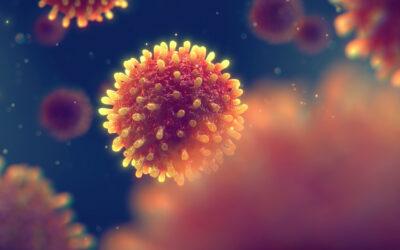
Anton Simulations Flag How Hepatitis Virus Enters Cell Nucleus
“Tucking In” of Viral Capsid Protein Allows Passage of Giant Structure through Nuclear Pore, Allowing Virus to Take Over

Bridges-2 and AI Analysis Identify DNA Sequences Carrying Risk of Childhood Sudden Death
Number and Type of Mutations Relate to Risk of Death at Earlier Age, Suggesting Focus for Future Detection and Prevention

Simulations on Bridges-2 Teach AI Program to Prevent Buckling or Breaks in Railways
AI Tool Would Enable Industry to Predict Temperatures that Require Maintenance or Repair, Improving Safety and Making Repairs Less Expensive
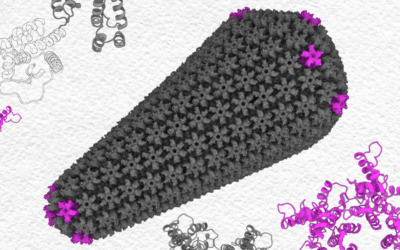
HIV Protein Switch May Help Virus Squeeze into Host Cell Nucleus
Simulations on Bridges-2 Help Pitt Team Visualize Rare, Transient Shape Change in Capsid Protein
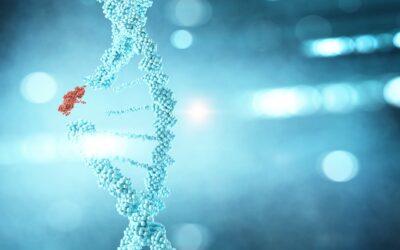
Large-Scale Evolution Simulations on PSC’s Neocortex Tackle Questions about Hypermutator Evolution
Vastly Expanded Populations Allowed by Wafer-Scale Engines Help Pinpoint Factors that Can Allow Hypermutators to Take Over
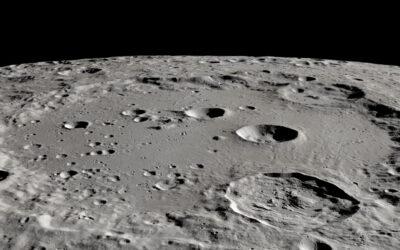
Bridges-2 Simulations Show Impact of Rocket Exhaust Water on Moon’s Ice Reservoirs
Previous Missions Did Not Add Significant Amounts, But Future Landers May Contaminate Lunar Water
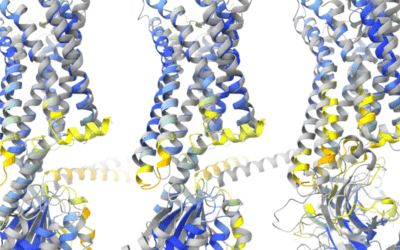
Anton Studies Reveal Blood Vessel Response to Mechanical Force
G Protein-Coupled Receptor Triggered by Tension as Well as Chemical Signals, Helping to Regulate Blood Pressure

Penn State Team Uses AI to Predict Dozens of Undiscovered Metal Nanoparticles
New Structures, Simulated and Studied with Bridges-2, Offer Novel Medical and Industrial Applications

PSC and Johns Hopkins Power New Forecasting Tool for Farmers
Maryland Researchers Advance Agriculture Dashboard Using ACCESS Resources
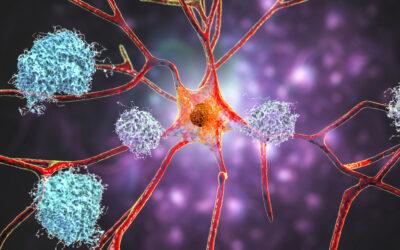
Anton Simulations Reveal How Alzheimer’s Fibril Growth May Accelerate
Unexpected Way for Amyloid Peptides to Join Fibrils Explains Time Lag, then Accelerated Growth, in Fibril Formation and Disease Progression