
2008 PSC Simulations Helped Transitions Inc. Develop First Plastic Photochromic Lenses

PSC40: Powering Discovery
2026 marks 40 years of PSC. As we continue on with cutting-edge innovation, we look back on four decades of history in computing, education, and groundbreaking research—and the people who made it happen.
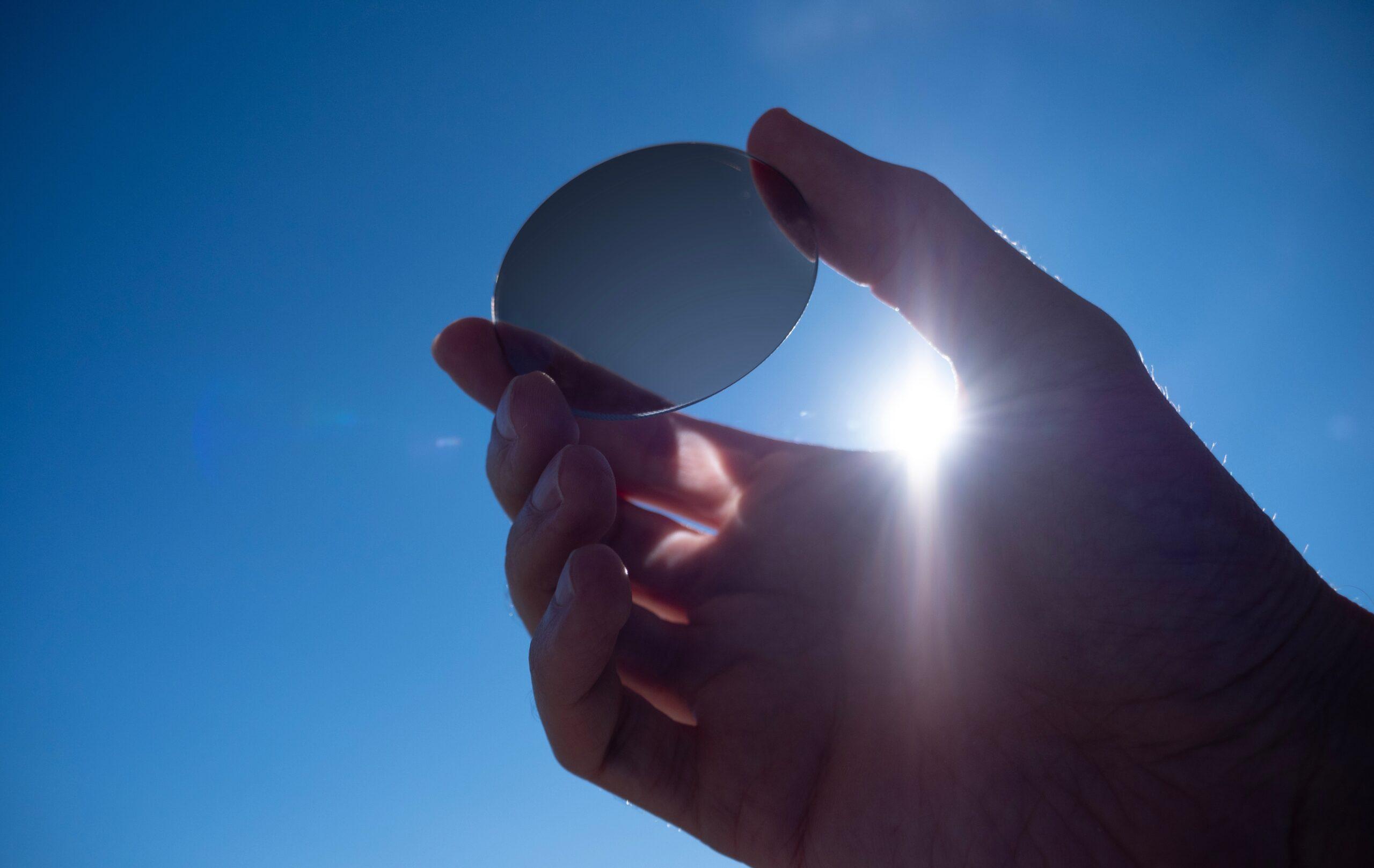
In 2008, manufacturers of automatically darkening eyeglass lenses faced a kind of “glass ceiling.” The photochromic materials that made them work could only be used with glass lenses, which were heavy and fragile. A team from Transitions Inc. used PSC’s corporate affiliates program to get time on the center’s Rachel supercomputer. This cut development time and helped them produce the first photochromic lenses made of high-impact plastic.
WHY IT’S IMPORTANT
If you’re old enough to have tried the early versions of photochromic eyeglass lenses — the ones that darken in sunlight, then clear when the lights go out, protecting your eyes against UV light all the while — you’ll know that they had limitations. First, you had two choices. The “sunglass” version never really got clear, it was always dark. The other version didn’t quite darken enough in bright light and then stayed a little dark indoors. Made you look a bit sketchy. Plus, all of these changes happened slowly.
But maybe the biggest limitation was that these coatings had to be used with glass lenses. Heavy. Not always great physical protection. Drop your eyeglasses, and they wouldn’t just scratch. They’d shatter.
The leaders and scientists at Transitions Optical Inc., a 1990 joint venture of PPG Industries of Pittsburgh and Essilor International of Paris, realized that plastic was the future. Polycarbonate lenses offered great protection against that sharp stick in the eye, lighter weight, and, with some formulations, the ability to bend light more strongly than glass. People who needed strong prescriptions didn’t have to sport thick “Coke bottle” lenses.
Problem was, the original Transitions technology simply wouldn’t work on plastic. In order to mate the two materials, Transitions would need to test many, many chemical combinations. Doing so with physical materials would have been ruinously expensive. Computer simulations could narrow the field down to only the most promising leads. But PPG’s in-house computers in 2008 weren’t up to the challenge.
To overcome this problem, Michael Makowski, Transitions’ computational chemistry research group leader, and his colleague Jun Deng turned to PSC’s industrial affiliates program, and its Rachel supercomputer.
HOW PSC HELPED
The computations would need to factor in a number of variables. The photochromic coating needed to work with polycarbonate plastics. The transition needed to be as fast as possible, covering as broad a range of darkness as possible. Would the material develop off colors with age, distorting the user’s view? Would it bleach out too quickly, limiting the lifespan of the eyeglasses?
Solving those problems meant a deep dive into the chemistry of all the materials. In particular, the change from light to dark and then back required a good understanding of the quantum electronics of the dye.
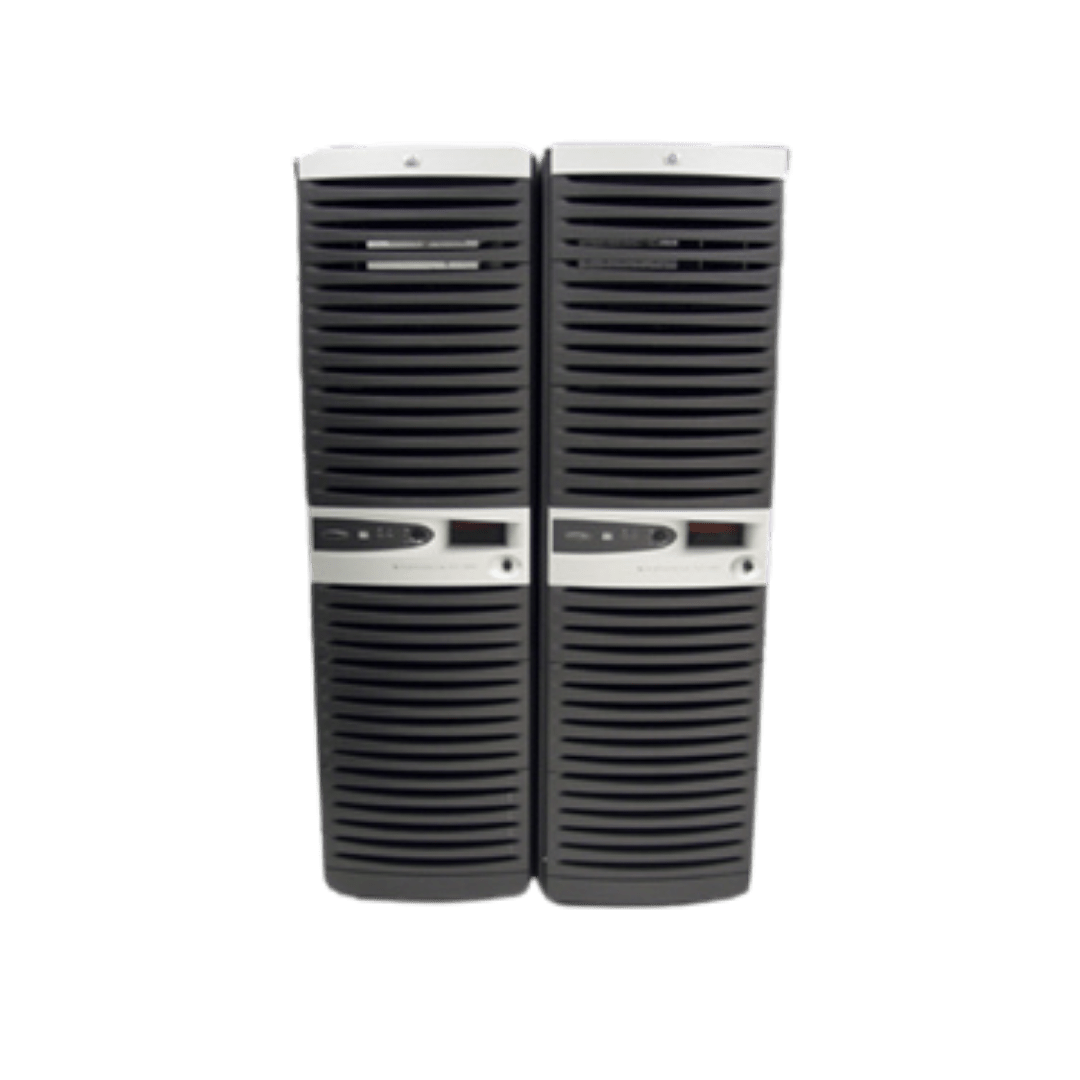
Rachel, named for Pittsburgh-area-native science giant Rachel Carson, represented a new concept in supercomputing. One of two GS1280 AlphaServers from Hewlett-Packard that PSC first put into operation in 2003 (the other named Jonas, for University of Pittsburgh vaccine pioneer Jonas Salk), Rachel was a shared memory machine — it was designed for fast communication between the computer’s processors and its RAM. Rachel focused on NSF science and engineering problems. Jonas was dedicated to biomedical science.
The shared-memory design allowed Rachel and Jonas to attack problems that required more a game of Concentration than simple math computation. By holding a then-awesome 256 gigabytes of RAM (compared with over 188,000 GB for today’s Bridges-2!) ready for the processors to access, these systems speeded computations that required a lot of trips back to massive data, rather than just processing a single, small computation as fast as possible.
Nor was Rachel the only draw for Transitions. The industrial affiliates program also gave Makowski and Deng access to PSC staff, whose combined expertise in science and in PSC’s computers allowed them to “supercomputer whisper” the machines. In the end, computations that would have taken weeks on PPG’s mainframe computers — if they’d run at all — completed in a few hours on Rachel.
The project helped the Transitions team break past the glass ceiling for photochromic dyes. Today, customers can buy Transitions lenses that offer quick, profound changes in darkness in a lightweight plastic lens that continues to work for years, without color distortion.