
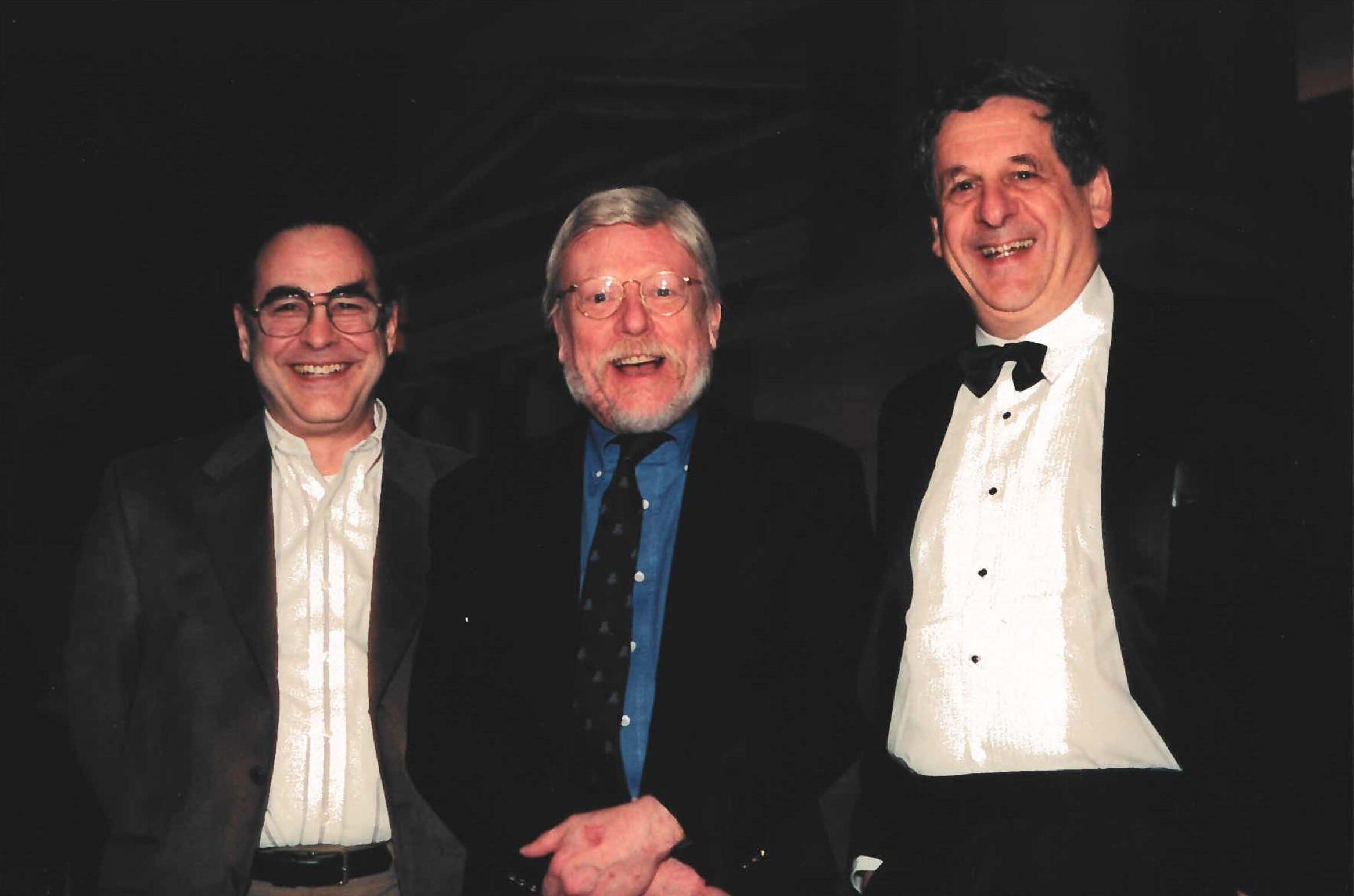
PSC tech mastermind Jim Kasdorf (center), with PSC founders Mike Levine and Ralph Roskies.
PSC’s Chris Csonka sat down with Jim Kasdorf, PSC’s first supercomputer expert, and his wife Kate, to chat about the early days at PSC and Jim’s role in the center’s founding

PSC40: Powering Discovery
2026 marks 40 years of PSC. As we continue on with cutting-edge innovation, we look back on four decades of history in computing, education, and groundbreaking research—and the people who made it happen.
Chris: Before PSC, what was your field or focus?
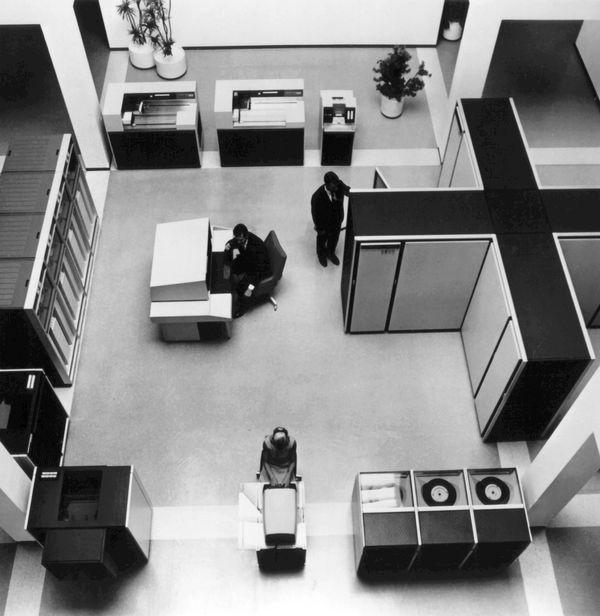
Jim: I worked at Westinghouse Electric Corporation in the Water Reactors Division. I helped implement their first Control Data 6600 to run nuclear‑reactor simulations.
Chris: That was a supercomputer or minicomputer?
Jim: They were the supercomputers of that era.
Chris: How did you first meet Mike and Ralph?
Jim: The National Science Foundation (NSF) realized how important advanced computing was and had issued a solicitation for supercomputer centers. Ralph proposed establishing one, and naturally consulted Michael. Michael said, “We could never win that—we don’t know anything about that… but Illinois is writing a proposal, how hard could it be?” Ralph said, “We wouldn’t know what to buy.” Then he added, “But I know this guy at Westinghouse who could help.”
They had the scientific chops, I knew the computing. I told them that the solicitation required describing the science they’d do. They said, “We’ve got that.” I just had to clean up a few verbs. With support from both university presidents, Wes Posvar at Pitt and Dick Cyert at CMU, and from Tom Murrin at Westinghouse (Energy and Advanced Technology Group), we put the proposal together.
Chris: Once the proposal went through and PSC won, what was your main role?
Jim: I wrote the sections on what computers to buy, the configurations, and why they were viable. The field was small, so there weren’t many people with that experience. I served on NSF’s Technical Review Committee because I was running a supercomputer center.
There was a competing proposal similar to ours, but they missed key technical elements. The main criterion was “Will it work?”—and, well, theirs wouldn’t. Some reviewers wanted to assume submitters of such proposals would “figure it out,” but that would apply to everyone. So, I was the bad guy, and we won because we knew what we were doing.
At this point in the interview, Jim’s wife, Kate, interjects:
Kate: I wasn’t there at the beginning, but I saw Jim working on later proposals. Michael loved to write—too much sometimes. Jim would quote Strunk and White: “Omit needless words.” They were always up against deadlines, and it drove him crazy.
“Omit needless words. Vigorous writing is concise. A sentence should contain no unnecessary words, a paragraph no unnecessary sentences… This requires not that the writer make all sentences short and avoid all detail… but that every word tell.”
— Strunk & White, The Elements of Style
Chris: What was your greatest challenge at PSC?
Jim: Managing Michael and Ralph.
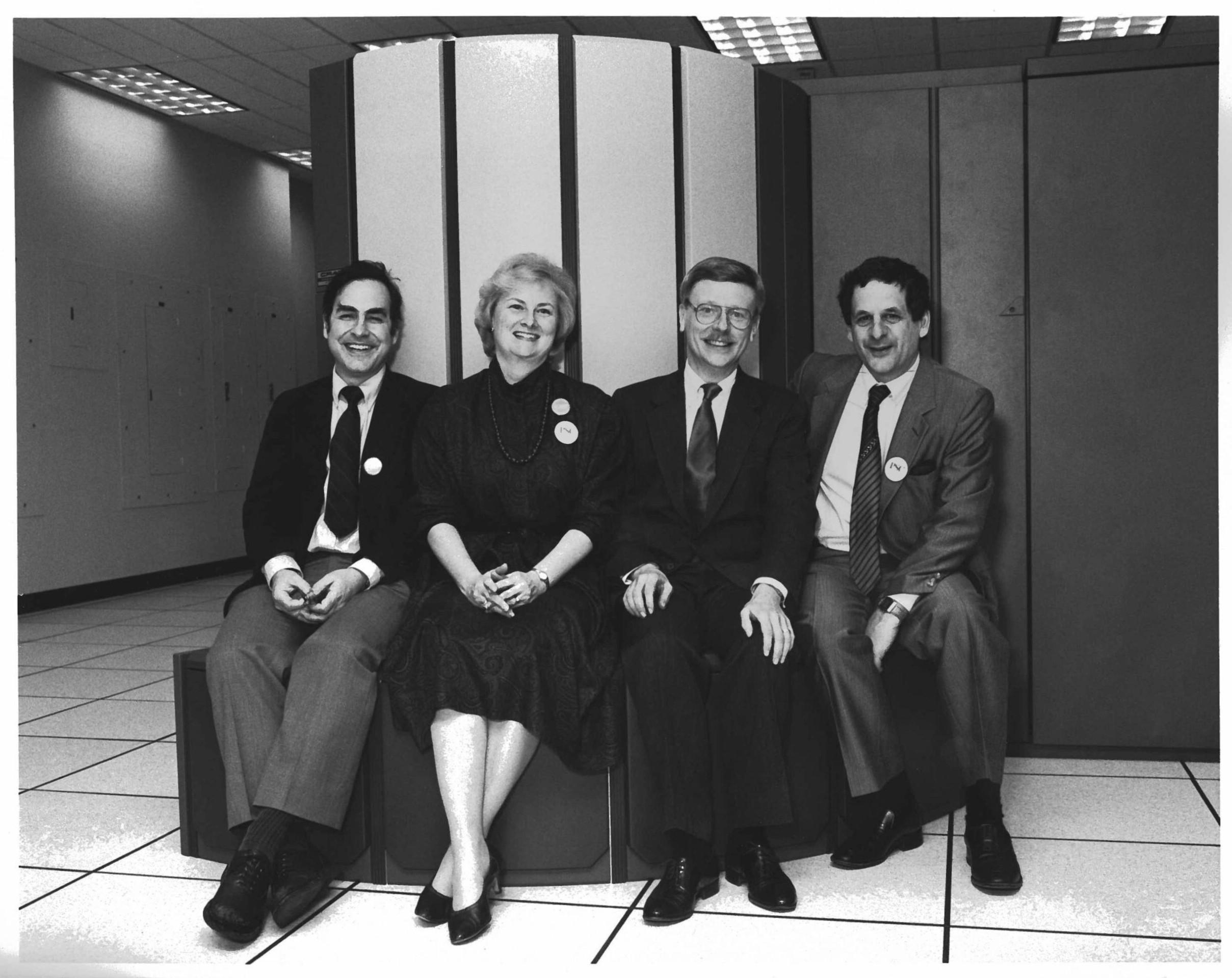
Chris: Do you remember Beverly Clayton, the first executive director? What would you say about her role?
Jim: She also came from industry, Gulf, and knew how to run an industrial‑strength operation. It was a good mix of industry and academia.
Chris: What kinds of things were hard to manage?
Jim: Some NSF requirements that didn’t relate to simply getting the job done. They wanted to know how our proposals would “advance science in the world.” I was more concerned with whether we needed a converter for a particular tape channel.
Chris: What was your proudest moment with PSC?
Jim: Getting it funded. We were clearly the underdogs—the fifth center when only four were planned. And two centers formed before us eventually dropped out of the network: the John von Neumann Center and the Cornell Theory Center.
In 1985, NSF began funding the creation of five new supercomputing centers
In 1985 and 1986, the U.S. NSF established the Phase 2 Supercomputer Centers Program. This initiative funded the original five supercomputing centers across the country, which were networked together via the early NSFNET—laying the groundwork for the modern Internet:
- John von Neumann Center at Princeton University
- Cornell Theory Center at Cornell University
- National Center for Supercomputing Applications (NCSA) at the University of Illinois at Urbana–Champaign
- San Diego Supercomputer Center (SDSC) on the campus of the University of California, San Diego (UCSD)
- Pittsburgh Supercomputing Center (PSC), a joint effort of Carnegie Mellon University, the University of Pittsburgh, and Westinghouse
— Adapted from Wikipedia’s article on the National Science Foundation Network
Chris: The fact that PSC is still around after 40 years is significant.
Jim: Oh, yes.
Chris: How long were you involved with PSC?
Kate: When we moved to the East Coast in 2015, Jim was working quarter‑time. He continued part‑time for another year or two.
Chris: Was Jim at Westinghouse that whole time?
Kate: From around 1969 or ’70 for 30 years. He retired for five months, got bored, and they created a position for him—director of special projects.
Jim: I worked on business development and helped establish university‑based supercomputing centers through lobbyists and political connections: Harry Reid at the University of Nevada–Las Vegas, University of Alaska Fairbanks, and the Maui High Performance Computing Center.
Chris: Ralph and Mike said you knew everyone in the supercomputing world.
Jim: At the time, it was a small community—mostly at National Labs: Livermore, Los Alamos, Brookhaven. It started with Control Data computers and the VIM user group, named for the Roman numerals (VI, M) for the 6000‑series machines.
When Control Data faded and Cray took over, it became the Cray user group, which still exists, by the way. We met twice a year and shared stories.
Chris: That all started when you were at Westinghouse?
Jim: Yes, because of the computers. Westinghouse had Control Data and Cray machines, so we were part of that community.
Chris: If you could change anything about your career, what would it be?
Jim: I wouldn’t have gotten so involved in those sideline centers—Maui, Las Vegas, etc. They distracted me from things I could have done with PSC.
Chris: Is there something about you that people might not know?
Kate: Maybe your music?
Jim: I play bassoon and did a lot of choral singing, back in the day.
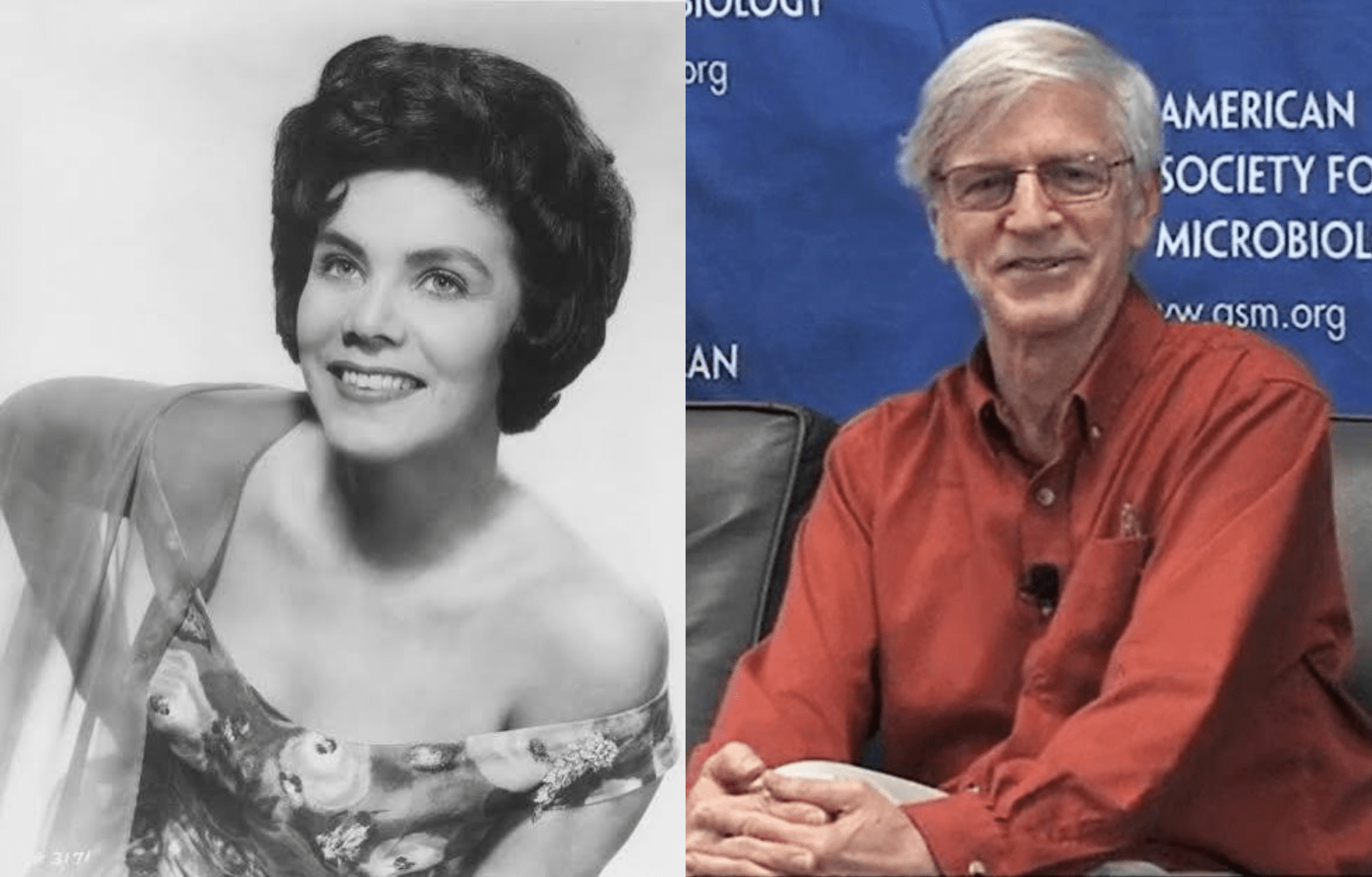
“I was being interviewed—probably by Wes Posvar—and he learned I sang. He said, ‘You’ll have to sing with the Mendelssohn Choir.’ His wife, Mildred Miller Posvar, was a mezzo‑soprano and a well-known opera singer at the time.
“When we were opening the Westinghouse Energy Center in Monroeville, I gave Wes and Millie a tour. Millie looked around and said, ‘What music will you have here? And of course, you’ll have this cleaned up more…’
“Very diva.”
Chris: Did you ever sing with her?
Jim: No, but I did sing with the Mendelssohn Choir. At my second rehearsal, someone asked if I had a “church job.” I didn’t know what that meant. He explained that local churches paid singers. He gave me the rundown of the best church jobs and I ended up singing at the Eastminster Presbyterian Church in East Liberty.
The conductor there, Stanley Tagg, also led the Bach Choir of Pittsburgh. So I sang with Mendelssohn on Mondays, Bach Choir on Tuesdays, played bassoon with the Monroeville Symphony on Wednesdays, church choir Thursdays, and performances on weekends.
Chris: Wow, that’s quite a schedule, just for music!
Kate: You also had “All & Some,” with Roger Hendrix and Susan Godfrey.
Jim: Yes, an early music group. The name was from a medieval Christmas song: “Nowell sing we, both all and some, Now Rex Pacificus is y-come.” Rex Pacificus—Christ the King of Peace.
Kate: Roger was in microbiology…
Now, it’s Jim’s turn to interject:
Jim: “Actually, bacteriophages.”
Kate: And he would send out an annual BSO invitation to go Christmas carolling. Jim, what did you play in that, kazoo? It was the “Biological Sciences Orchestra,” so they called it the BSO, their little inside joke!
Chris: That’s great.
Kate: Roger, he was just a wonderful guy.
Chris: Well, thank you both. I enjoyed chatting with you today.
Jim: Don’t hesitate to get back to us if you have questions.
Chris: Absolutely.
Kate: Sounds good, we appreciate it.
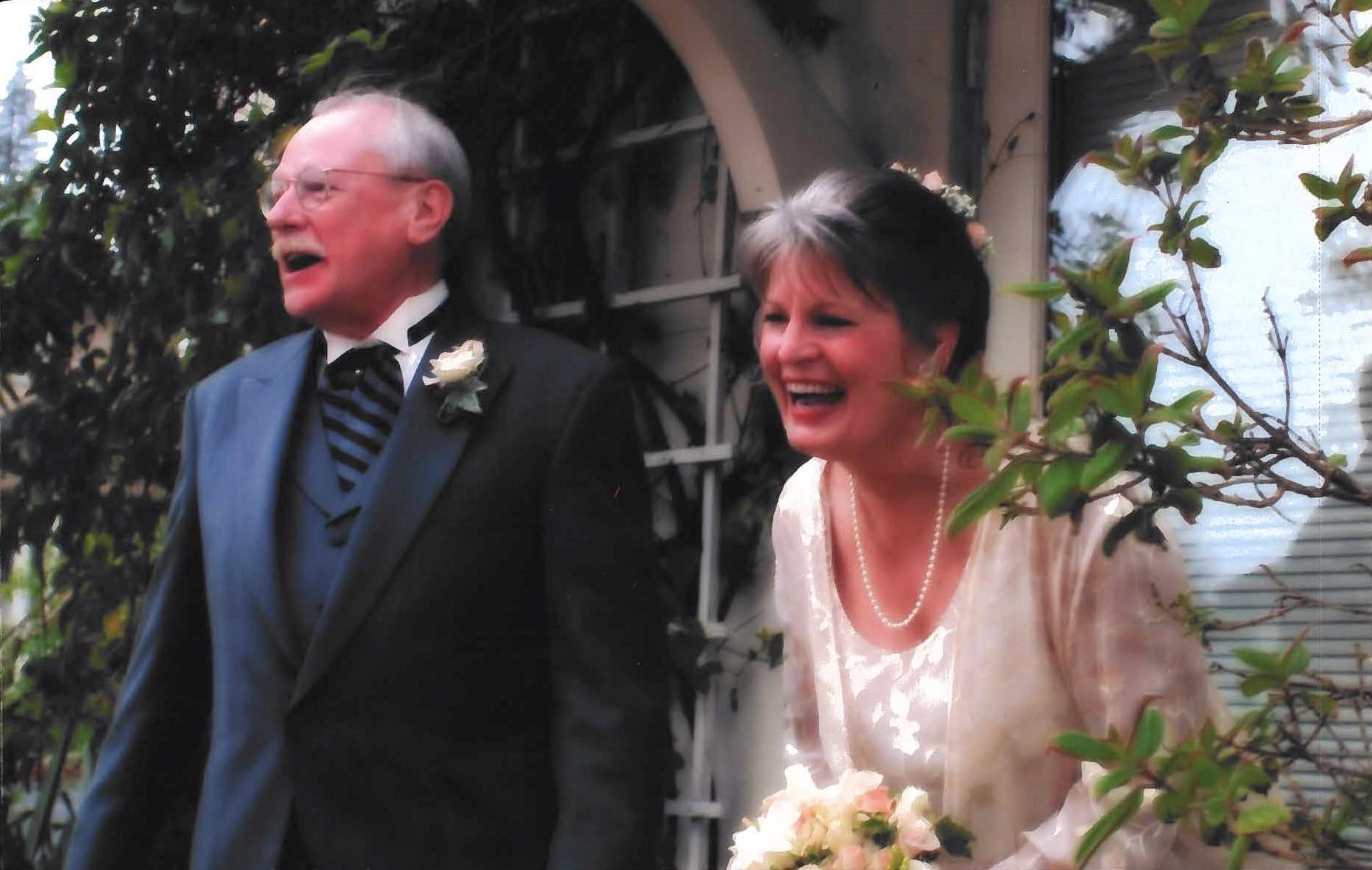
Jim and Kate.