
Massive Memory of PSC’s Blacklight Helped CMU Team Plan Optimal Chain of Recipients, Donors
Only a fraction of the patients awaiting organ transplants match with a donor each year. In 2015, a team from CMU used PSC’s Blacklight supercomputer to show CORE, the national organ exchange program, how they could match more patients in total, as well as find donors for more patients whose cases made them difficult to match. CORE enacted many of their recommendations.

PSC40: Powering Discovery
2026 marks 40 years of PSC. As we continue on with cutting-edge innovation, we look back on four decades of history in computing, education, and groundbreaking research—and the people who made it happen.
WHY IT’S IMPORTANT
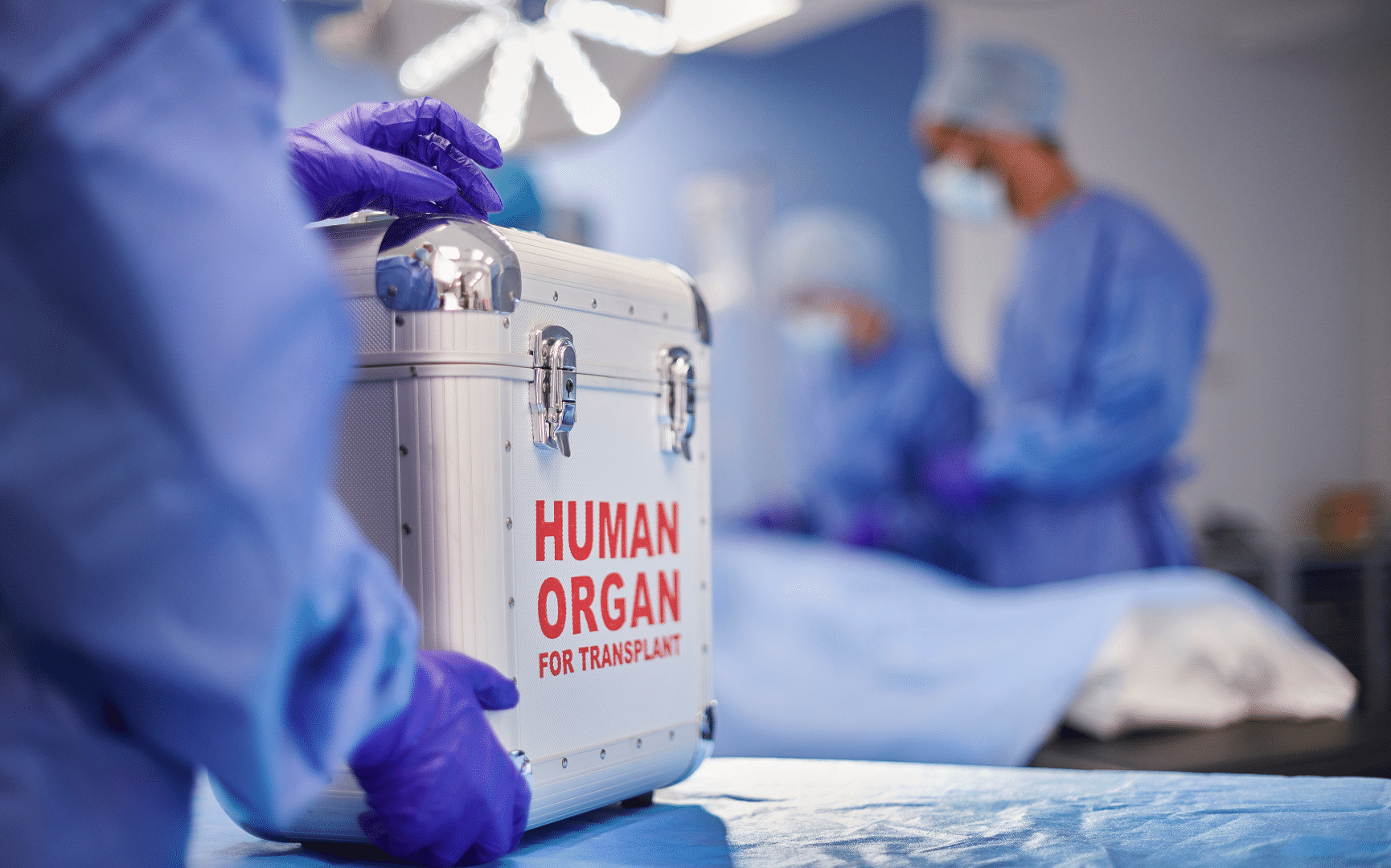
In 2015, over 123,000 adults and children were awaiting organ transplants. Unfortunately, only about 30,000 donor organs became available that year. Every day, roughly 20 people died waiting for a “match.”
In a donor chain, people get around the problem of finding a compatible donor by finding any willing donor. Then they compare notes with other people searching for donors. If one group’s donor matches another group’s recipient, you’re halfway there. Even if both don’t match, you can create a chain of donations that ensures everyone in the cycle gets matched.
As the number of donor/recipient pairs increases, though, it’s hard to calculate the best combination of trades. In 2015, Tuomas Sandholm and his PhD students at CMU’s School of Computer Science were working with the United Network for Organ Sharing (UNOS) to help that nonprofit manage the national donor organ supply in the U.S. The CMU team created software that automatically generated UNOS’s kidney-paired donation transplant plans, optimizing organ matches at 142 transplant centers — about 60 percent of such facilities in the U.S. — twice a week.
Their tool of choice to build a system to test better ways of matching recipients with donors, FutureMatch, was PSC’s then-flagship Blacklight supercomputer.
HOW PSC HELPED
Part of the problem with growing donor chains is that they’re dynamic. The task isn’t just based on optimizing a given batch of trades. Because of deaths, arrivals, pre-transplant failures due to newfound incompatibilities, and so forth, the chain is always changing. And every successful match takes a donor out of the pool. In some cases, you might help more patients by holding off on some transplants in the hope of getting a better all-around match in the future. Finally, fairness is bedrock in any donor chain — any solution would have to follow equity rules set by the recipients, donors, and doctors in the transplant community.
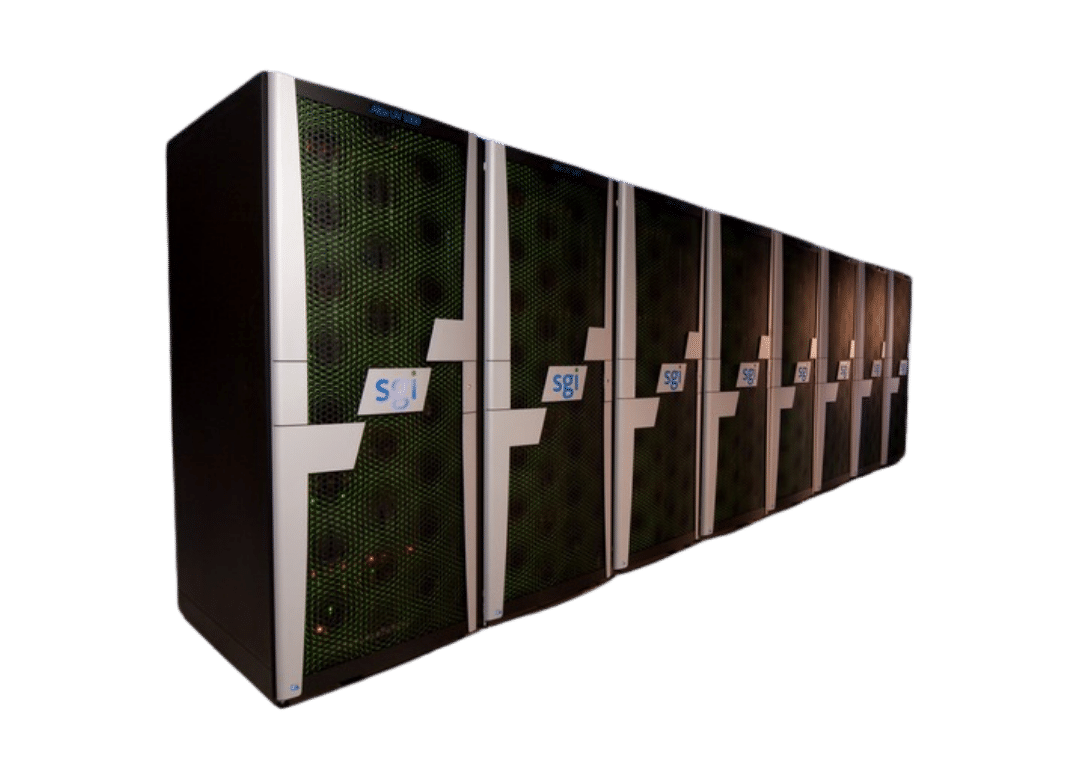
Getting to the best practical solution required holding massive data in the computer’s memory while supporting many parallel computations. Blacklight, an SGI UV 1000 cc-NUMA shared-memory system, had 512 processors. Not exactly large for its time. But it had something virtually no other supercomputer did. Each of the two partitions in Blacklight had a total of 16 terabytes of shared memory. Even today that amount of shared RAM is mammoth — that’s about 250 times as much shared memory as you’ll find on a hot laptop in 2026. Blacklight provided both a good volume of computational cores and a capacious ability to hold data right where the computation happened. This avoided slowdowns if the processors had to pull data from long-term storage.
That data-centric design offered another advantage. One goal of Sandholm’s team was to test factors that hadn’t been considered before in matching recipients with donors, to see if any of them improved the number and quality of the potential matches. The extra memory in Blacklight allowed FutureMatch to do exactly that, expanding the number of variables tested.
Blacklight’s power allowed FutureMatch to increase the number of donor/recipient pairs and broaden the criteria for matches. It also showed it could help more hard-to-match patients find donors, another key ask from the transplant community. Unexpectedly, the scientists’ computations also showed that a combined kidney and liver exchange could find more matches than exchanging those organs in separate chains. UNOS enacted many of the team’s recommendations, expanding the number of transplants in a way that satisfied patients and doctors alike.